ESP
League of Legends ESP and Wallhack Guide
“ESP” and “wallhack” get used interchangeably. In League of Legends they both mean information through walls — but the useful details are distance, filters, and what you choose to hide so your screen stays readable.
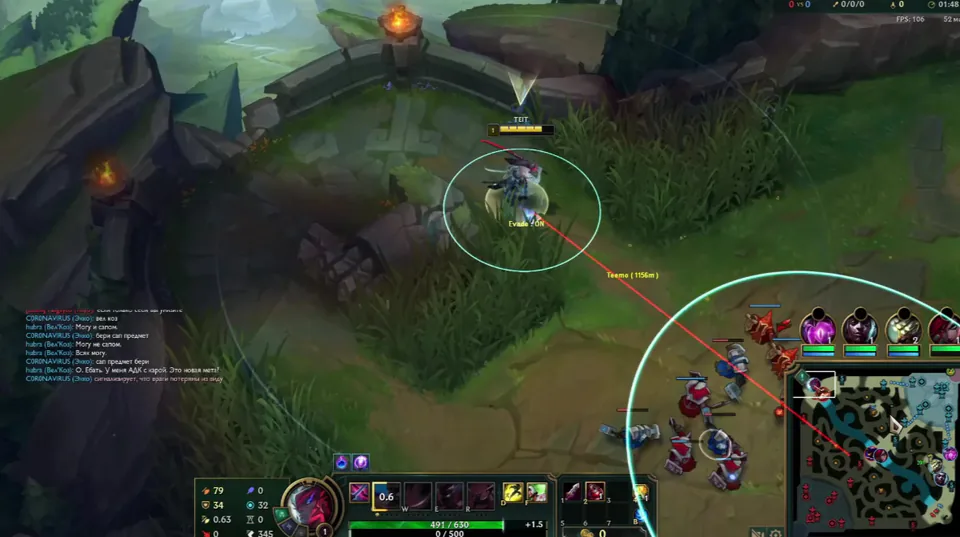
What ESP shows during a real match
Player ESP outlines enemy champions and minions through walls and terrain, often with distance. Ward ESP highlights wards or high-value objectives. Objective cues help you avoid bush camping surprises. That information gap is why people search for LoL ESP in the first place.
Read the dedicated pages for ESP and wallhack if you want category-level detail.
How to keep overlays from becoming noise
Toggle categories. During a hot push you may want champions only. During a wards route you may want wards. Near objectives you may want threats and exits. Too many boxes at once create hesitation — the opposite of an advantage.
Pair ESP with radar for flanks outside your field of view. Visibility wins information wars; aim tools cover the gank afterward.
Maintenance and responsible use
ESP modules rebuild after Vanguard patches like everything else. Check Updates and the undetected guide. No overlay replaces listening and map knowledge — it shortens the time between “I heard something” and “I know where.”
ESP in real League of Legends matches — practical takeaways
Use player ESP when rotating, ward ESP when routing, and objective cues when holding river or jungle. Switch profiles instead of leaving every box on — clutter kills reaction time.
For the maintained stack behind this guide, see LoL Cheats, radar, and Pricing. Patch-day rules live on Updates.
Official game guides & resources
We link to trusted third-party sources so you can verify patch notes, champion stats, and map info outside our site.
- League of Legends on Riot Client Download the game, check system requirements, and create a Riot account.
- Official patch notes Read official balance and update posts before you change your loadout.
- Official League of Legends website Game overview, news, and esports from Riot Games.
- League of Legends Wiki (Fandom) Champion stats, items, maps, and ability details.
- League of Legends community (Reddit) Announcements, patch discussion, and player guides.